The first 24 hours after Botox can feel anticlimactic. You walk out with fresh injection marks, maybe a touch of tightness, and then… nothing. No instant smoothing, no magic filter effect. That waiting window between treatment and visible change is where most of the anxiety lives. I’ve counseled patients through it for years, from first timers staring at every new line in the mirror to regulars who can tell you down to the hour when their forehead will switch off. If you understand what happens day by day, you’ll know what’s normal, what’s not, and how to set yourself up for results that look natural and last as long as they should.
What actually happens after the needle leaves your skin
Botulinum toxin type A, the active ingredient in Botox, is a neuromodulator. It binds at the neuromuscular junction and blocks the release of acetylcholine, the chemical that signals your muscle to contract. The binding starts early, but the clinical effect is delayed because the nerve still has leftover transmitter and functional endplates. Think of it like pulling the plug on a fan: the power is cut, but the blades keep spinning a little while. As the muscle’s communication pathway goes quiet, movement gradually weakens and the overlying skin stops folding. That is why the Botox results timeline is measured in days, not minutes.
Diffusion is limited when dosing and placement are precise. The product is injected into targeted muscles in units, not milliliters, and each facial area has a different typical range. For example, forehead lines usually require 6 to 14 units, frown lines 12 to 24 units, and crow’s feet 6 to 12 units per side, though men and stronger muscle patterns often need more. Micro Botox and baby Botox use lower units or more diluted placement for subtler, preventative results across wider areas or superficial layers.
The day-by-day reality, from the chair to two weeks
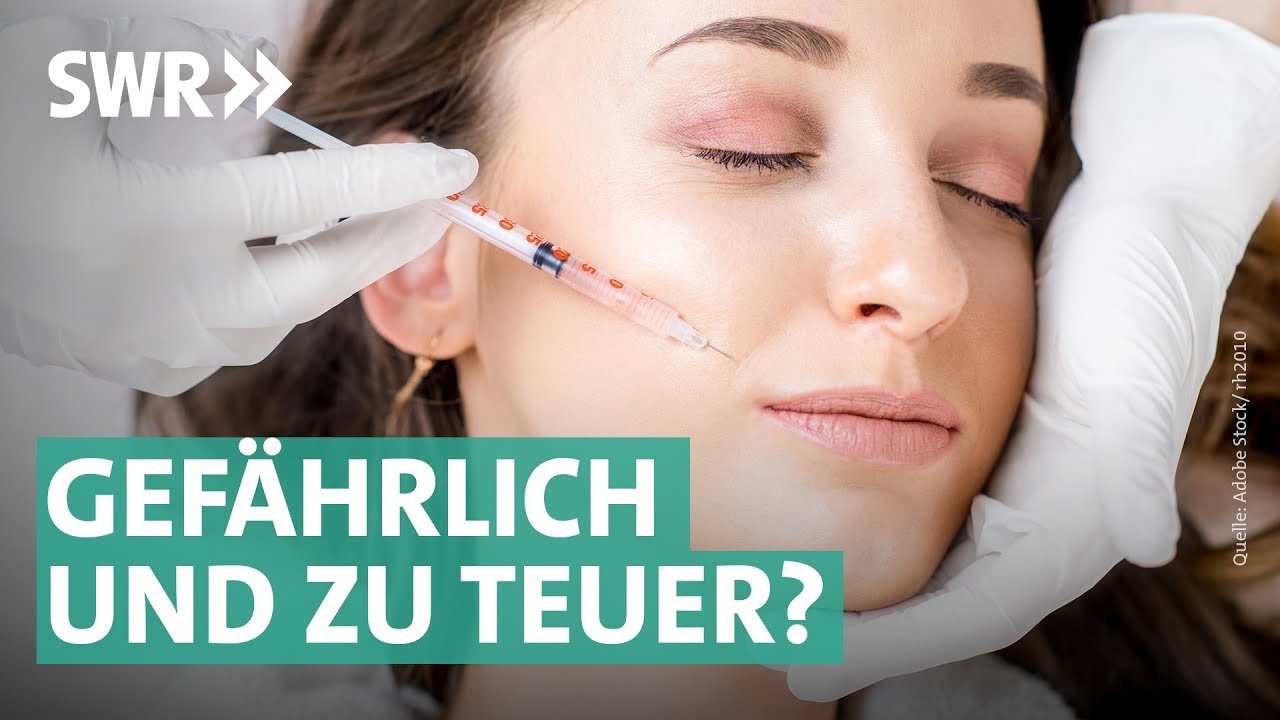
Day 0, the treatment day, usually brings a few tiny pink bumps that settle within an hour, a mosquito-bite look if you catch yourself in a bright car mirror. Some people feel a light headache or pressure that night. Movement is unchanged, and that can be disconcerting if you expected instant smoothing. I tell patients to think of the first day as setup, not payoff.
Day 1 is when the waiting begins. You might notice an odd sensation in commonly treated spots, especially the glabella between the brows and the forehead. Not pain, more like muscle awareness or a “heavy eyebrow” feeling that comes and goes. No one else can see it, but you do.
Day 2 to Day 3 is where early responders start to notice something different. Frown strength drops a notch, and a habit brow furrow may not fully crease when you try to scowl. Crow’s feet look the same at rest, but the skin crinkles a little less when you smile hard for the mirror test. If you’re treating masseter muscles for jawline slimming or TMJ, you won’t see visible change yet, but biting hard may feel slightly less forceful.
Day 4 to Day 5 brings the first visible improvement for most people. Friends will not guess “Botox,” but you’ll see makeup sitting more smoothly on the forehead, and the angry 11s between the eyebrows will look softened even mid-expression. Crow’s feet often show the most gratifying early shift, especially if the dose hit the lateral orbicularis oculi just right. If you did a lip flip, the upper lip starts to relax and evert a touch, which can feel strange when sipping from a straw.
Day 6 to Day 7 marks the half-time point, and typically about 60 to 70 percent of the final result is in place. I recommend taking a day 7 photo in the same lighting as your pre-treatment shot. You’ll notice less bunching around the brows and a smoother upper third of the face. Forehead lines are often the last to fully soften, and this is intentional. We like to maintain a bit of frontalis activity to keep brows lifted and avoid a heavy look.
Day 8 to Day 10 is when the results look intentional. The frown may be almost completely neutralized, foreheads look airbrushed at rest, and crow’s feet are controlled without erasing your smile. If your provider balanced the upper face correctly, your brows will hold a gentle, natural curve. Patients who also treated bunny lines along the nose will notice fewer scrunches when laughing. For under-eye lines and chin dimpling, the change at this stage can be subtle but meaningful.
Day 11 to Day 14 is peak effect. This is the time to judge symmetry, brow position, and function. If a tiny line still contracts, or one brow sits slightly higher, small touch ups can be performed after day 10 to refine the outcome. The skin now looks smoother at rest and during typical expressions. If your goal was natural looking Botox, this is the sweet spot where friends say you look rested, not “done.”
Why two weeks matters so much
Botox for wrinkles does not behave like filler. Hyaluronic acid fillers give instant volume, while neuromodulators slowly reduce motion. That is why any honest wedding Botox timeline or holiday Botox plan builds in a two-week buffer before photos. If a result needs micro-adjustments, you want time to see the peak, decide what to tweak, and let that tweak kick in. For special events, I prefer 3 to 4 weeks of runway, especially if it’s your first time.
How it feels along the way
There is a rhythm to the sensation changes. Early tightness is common, a slight helmet feeling with forehead treatment, then a short phase where heavy lifting expressions are harder to initiate. By the two-week mark, most people report that they do not feel the Botox anymore, they just notice they aren’t overusing those lines. Forehead heaviness is often a sign of overly aggressive dosing in the frontalis, or a mismatch between forehead and glabella treatment. If the frown complex is strong but the forehead is dosed high to chase horizontal lines, brows can droop. This is where a provider’s judgment and careful mapping matter more than any number of units.
The photos tell the truth
Botox before and after images are only honest when taken in the same lighting with the same expressions. I like to capture three looks: neutral, eyebrows up, brows squeezed together. With crow’s feet, smile naturally, then smile hard to show the maximal pattern. Small lines at rest, etched from years of movement, soften over time with repeated treatments, but patients with deep static lines may still see a faint crease. That is normal. Combining neuromodulators with resurfacing or microneedling can improve texture if needed.
Dosing, units, and why your friend’s number is not your number
“Botox units explained” is one of the most misunderstood parts of treatment. Units are a measure of biologic activity, not volume. A syringe is just a vehicle. Twenty units can sit in 0.5 mL or 1 mL depending on dilution, and it will behave similarly when injected properly because the active units are the same. The right dose depends on muscle strength, sex, brow position, forehead height, and desired range of motion. Men often need higher units because their muscle mass is greater. First timers usually start conservatively to avoid overcorrection. Baby Botox spreads smaller units across wider areas to dampen movement while preserving expression, especially useful for preventative Botox in your late 20s to early 30s.
If Botox is not working by day 14, there are several possible reasons. The dose may have been too low for the strength of your muscles. The injection pattern may have missed active zones. Rarely, there is true biological resistance or antibody formation, more likely in people who receive frequent high doses or switch products often. Occasionally, what looks like resistance is just the use of a different brand or dilution strategy that changed the feel of the result. Dysport, Xeomin, and Jeuveau are alternatives with slightly different diffusion and onset profiles. Dysport sometimes feels faster in the glabella, while Xeomin’s “naked” formulation can be preferred for those worried about proteins. Each can be excellent with the right injector.
Side effects you might actually notice from Day 1 to Day 14
Botox side effects are usually minor. Mild headache in the first 48 hours is the most common complaint. Small bruises can appear, especially around crow’s feet or the forehead if a superficial vein was nicked. This is unpredictable even in careful hands. Bruising peaks around day 2 or 3 and fades by the end of week two. Temporary eyelid heaviness can occur if the frontalis was suppressed more than the frown complex, or if product diffused where it was not intended. True eyelid ptosis, where the upper lid margin drops, is less common and typically appears days 3 to 7. It can be mitigated with specific eyedrops while the Botox wears in. If your eyebrow position feels off at day 10 to 14, small placement tweaks can soften antagonistic pull and restore balance.
Aftercare that actually matters
The basics are simple and mostly about common sense. Avoid heavy pressure, aggressive facials, or deep massages over treated areas for the first day. Do not lie face down on a massage table. Skip high-heat environments for the first 24 hours if you are bruise prone. Light exercise is fine after a few hours, though I ask heavy-lifters to wait until the next day. Avoid alcohol the evening after treatment if you’re trying to reduce bruising risk. Skin care after Botox can resume the same night or next morning, with one caveat: do not aggressively rub the treated zones as you would with a deep cleansing massage tool. Sunscreen remains non-negotiable. Retinoids and acids are fine as usual once any pinprick sensitivity settles.
How long it lasts, and when to plan your next visit
Botox longevity is influenced by dose, muscle strength, metabolism, and how expressive you are. Most patients enjoy 3 to 4 months of meaningful improvement, with some seeing 5 to 6 months in areas like the crow’s feet or masseters. Athletes and fast metabolizers may notice movement returning closer to 10 to 12 weeks. Maintenance is not about chasing a calendar date, it’s about watching for function to return. When you notice lines creasing earlier in the day or your frown regaining power, that is your cue. If your results wore off too fast the first cycle, a modest dose adjustment or a tighter injection pattern can help. Conversely, if you felt too frozen, your provider can reduce units or alter placement to preserve expression where you care about nuance.
Natural looking Botox is a technique, not a product
People worry about a “Botox face,” but the stereotypical overdone look usually comes from poor planning rather than the neuromodulator itself. The forehead is not a standalone canvas. It interacts with the brows, the eyelids, and the muscles that pull down at the outer brow tail. Treating glabella without considering the forehead can leave compensatory lines. Treating the forehead without glabella control can lead to heavy brows. A slight lateral brow lift can be achieved with careful dosing along the orbicularis oculi and frontalis border. The smallest unit can change an arch. Good injectors measure twice, place once.
If you want subtle Botox results, say so at your consultation. Talk through how you use your face. Actors, teachers, and public speakers often want preserved range with just enough smoothing to look rested. Baby Botox and micro Botox techniques, which use lower units and more superficial placement to minimize pore appearance or sweat, fit this goal. Natural outcomes also depend on not overchasing static lines that would be better treated with resurfacing, biostimulators, or fillers.
Special areas and what to expect in the two-week window
Crow’s feet respond quickly and are often 80 percent improved by day 7. Over-treating here can slightly drop the cheek when smiling, so precision matters. The lip flip becomes noticeable by day 5 to 7 as the upper lip relaxes and shows more vermilion. Drinking from a water bottle may feel clumsy at first. The gummy smile softens as the elevator muscles are tuned down; give it until day 10 before judging balance. Bunny lines along the nose respond around day 5. Chin dimpling or a pebbled chin smooths steadily over the first week as the mentalis relaxes. For jawline slimming and masseter Botox, the functional clench reduction is felt in the first two weeks, but visible slimming takes 4 to 8 weeks as the muscle gradually atrophies from disuse. Platysmal bands in the neck soften by the two-week point, improving necklace lines and tech neck concerns.
For therapeutic uses like Botox for migraines or hyperhidrosis, the onset can parallel cosmetic zones but the endpoints differ. Underarm sweating reduction often shows by day 3 to 7 and can last 4 to 6 months or more. Scalp sweating and sweaty hands respond similarly, though hand injections are more tender. Migraine protocols require distinct dosing patterns, and patients typically notice a gradual reduction in frequency and intensity over weeks rather than the sharp expression changes cosmetic patients track.
Myths, mistakes, and how to avoid the “gone wrong” stories
The biggest Botox myths come from extremes. No, you won’t be permanently frozen after one treatment. No, your face won’t sag long term because a muscle rested for three months. On the other hand, Botox is not risk-free or one-size-fits-all. Poor placement can drop a brow or create a Spock peak. These are fixable in most cases with small counter-injections that relax overactive fibers, and time. True disasters, the ones that trend under “Botox gone wrong,” usually involve unqualified injectors, counterfeit product, or inappropriate treatment plans. Red flags in clinics include prices that are far below local averages, reluctance to show vials, no medical oversight, and a refusal to discuss dose or product brand.
Cost, value, and the question of whether it’s worth it
Botox cost is typically calculated by unit or by area. Per-unit pricing can range widely by region and provider experience. A smooth, natural forehead often involves treating the frown complex as well, so budgeting for both makes sense. When comparing Botox vs fillers, remember they do different jobs. Fillers restore volume and structure. Botox reduces muscle activity and softens dynamic lines. Many faces need a combination to look their best. For first timers, starting with neuromodulators often makes sense because hyperactive expression usually drives the earliest aging signals.
Is Botox worth it? For the patient who frowns hard while thinking, who squints in sun, who wants to look less stern in photos, it usually is. Long-term results can be especially satisfying, because treating lines before they etch deeply helps prevent them from becoming static. That is the logic behind preventative Botox. Used thoughtfully, it is more like muscle training than erasing character.
The two-week check: what I look for at follow-up
At the 10 to 14 day visit, I ask patients to run through expressions we mapped on day 0: raise brows, frown, smile, scrunch the nose, pucker, and look surprised. I watch for symmetry, brow tail position, and any residual hotspots where a small unit or two could polish the result. If the patient feels “too tight,” I assess whether the heaviness is from the frontalis or compensatory activity in depressor muscles. Tiny adjustments, placed correctly, can restore ease without undoing the global effect.
This is also when we talk about how to make Botox last longer. No miracle hacks exist, but staying consistent with maintenance, avoiding high-heat exposure in the first 24 hours, limiting aggressive facial massages, and managing strong habitual movements all help. For those who metabolize product faster, increasing units to the minimal effective dose or switching brands can improve longevity.
When Botox doesn’t seem to work
Sometimes a patient reaches day 14 saying, “My forehead still moves.” If the goal was preserved motion, that can be a win. If the goal was smoothing and it is not there, we troubleshoot. Under-dosing is the most common issue, especially in strong frontalis or glabellar complexes. Misplaced units can leave a line untreated. True Botox resistance or immunity is rare, but it exists, particularly in people with very frequent, high-dose exposures. In those cases, a trial with another brand like Xeomin, which has fewer accessory proteins, may help. When none of the neuromodulators work as expected, we look at alternatives, including fractional lasers, radiofrequency microneedling, biostimulators, or even lifestyle and vision factors that drive squinting.
Combining treatments without muddling the timeline
Botox with fillers is a common pairing. Usually I prefer sequencing neuromodulators first, then assessing the resting lines at two weeks before placing filler for grooves that remain. Facials, light peels, and gentle skincare can resume quickly, but strong treatments like microneedling or deep chemical peels are best scheduled a few days to a week apart to keep swelling and diffusion risks low. If you are planning wedding Botox, space out all combined treatments with enough buffer to settle and adjust. Photos magnify asymmetry you never notice in real life.
Who should pause or avoid treatment
Not everyone is an ideal candidate. If you have an active skin infection in the treatment area, wait. If you are pregnant or breastfeeding, defer until cleared by botox near me your physician. Certain neuromuscular disorders require caution or avoidance. If you rely heavily on eyebrow elevation due to slight eyelid heaviness or dermatochalasis, overly aggressive forehead dosing can make you feel weighed down. A careful provider will screen for this and adjust dosing and placement. Bring a list of medications and supplements, because blood thinners, fish oil, and some herbs increase bruising risk.
Your two permitted checklists
Here is a short, practical set of reminders tied specifically to the two-week window.
Pre-appointment checklist
- Take clear, well-lit photos with neutral, frown, and smile expressions. Pause blood-thinning supplements like fish oil and high-dose vitamin E 5 to 7 days before, if your physician agrees. Identify your priority lines and the expressions that bother you most. Plan your schedule to avoid massages, facials, or major events within 24 to 48 hours. Bring previous treatment details if you have them: dates, units, and brands.
What not to do right after injections
- Don’t rub or press hard on treated areas for the first day. Don’t lie face down or wear tight headbands for several hours. Don’t book a hot yoga class or sauna the same day if you bruise easily. Don’t drink heavily that night if you want to minimize bruising. Don’t judge results before day 7, and don’t request touch ups before day 10.
Final thoughts from the two-week vantage point
If you chart your Botox results timeline from day 1 to day 14, you’ll notice a calm pattern underneath the nerves: nothing, then something, then a cascade of subtle wins culminating in peak effect. The process rewards patience and precision. Choose a provider who listens to how you move your face, who explains units and placement, who is willing to see you at two weeks for fine-tuning, and who is comfortable saying no when an area should be handled differently. That combination, more than any “celebrity Botox secrets,” is what keeps people looking like themselves, just smoother, softer, and more at ease.
When you know what to expect each day, the mirror becomes less of a critic and more of a chronicle. Day 3 brings a hint. Day 7, a change. Day 14, the full picture. Then you get to enjoy it.